


UNDP and the Government of the People’s Republic of China have officially launched the ‘Tailored Intelligence for Actionable Early Warning Systems’ (TIAEWS) project in Pakistan. Supported by China International Development Cooperation Agency (CIDCA), the TIAEWS initiative aims to strengthen the resilience of coastal communities in vulnerable to the adverse impacts of climate change.
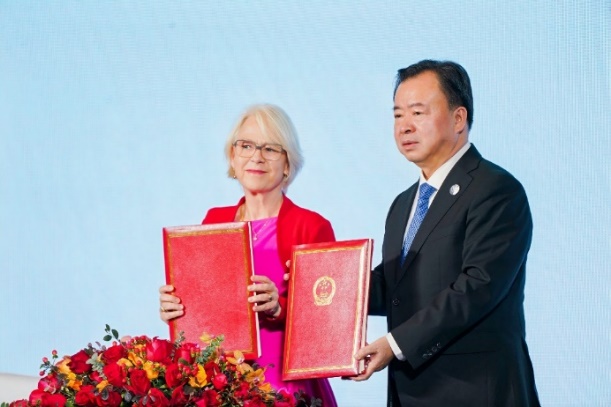
Starting with Pakistan and the Maldives, the initiative will leverage South-South Cooperation to support countries in Africa and Asia Pacific to develop integrated early warning systems, strengthening their capacity to anticipate and respond to climate hazards. It will revolve around three crucial pillars:
Data and Information Management: Streamlined data and information management system for Early Warning Systems (EWS), enabling timely and effective decision-making.
Last-Mile Communication and Community Outreach: Enhanced communication and community engagement strategy for Early Warning Systems, ensuring widespread access to tailored decision intelligence.
Governance: Enhanced Governance and Coordination Mechanisms for Dissemination of Early Warnings.
The TIAEWS project was officially launched in Pakistan on March 5, 2025. The initiative builds upon previous UNDP efforts, such as the Glacial Lake Outburst Flooding (GLOF)-II and Glaciers and Students projects, which focused on early warning systems, glacier protection, and community resilience. In Pakistan, over 3,000 glacial lakes have formed due to rapidly melting glaciers, with 33 posing a high risk of sudden flooding, endangering more than 7 million people in Gilgit-Baltistan and Khyber Pakhtunkhwa. The lack of robust early warning systems hampers timely evacuation and disaster preparedness.
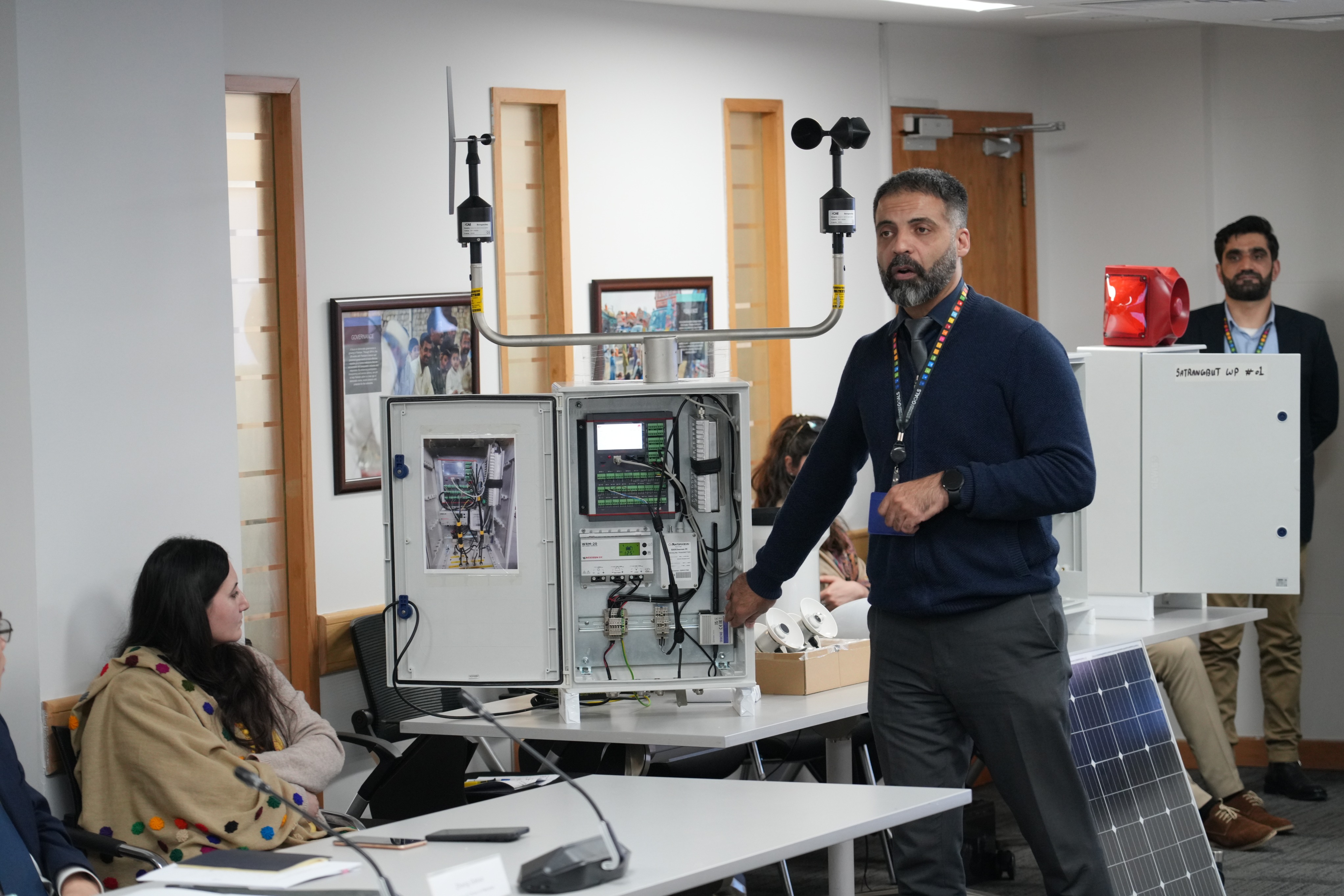
The TIAEWS project will strengthen the resilience of vulnerable communities in Gilgit-Baltistan by improving their ability to anticipate and respond to natural hazards. It will establish 70 Automatic Weather Stations, 70 Hydrometric Stations, and 70 Warning Posts, creating a robust early warning infrastructure.
Related links:
Discover more South-South in Action stories here: South South and Triangular Cooperation SparkBlue Platform.
Please log in or sign up to comment.